
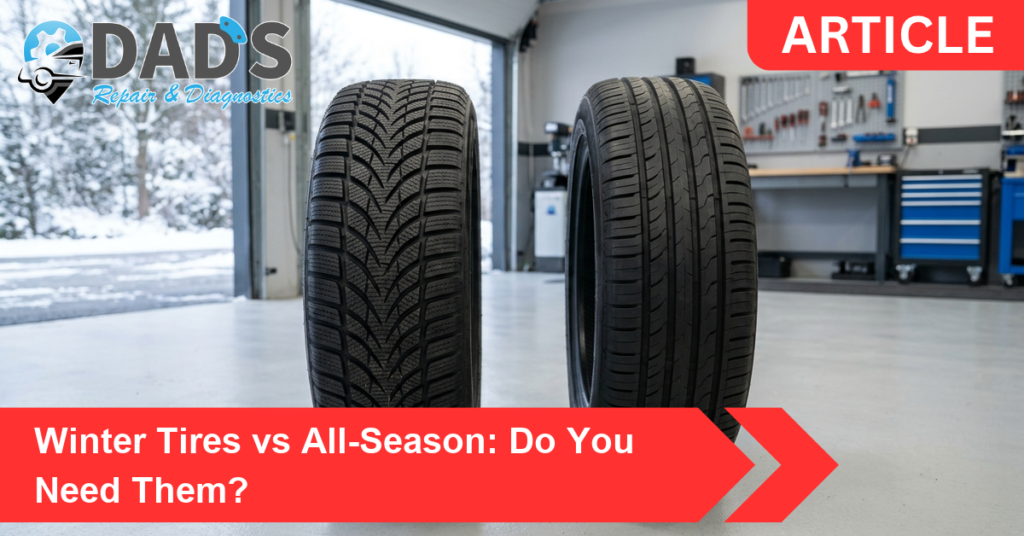
The winter tires vs all-season question comes up every fall at DADS Auto Repair, usually from someone who just saw a tire ad or is planning a trip to the snow. Here is the honest answer for most drivers in Madera: you probably do not need dedicated winter tires. The Central Valley rarely drops cold enough or sees enough snow to justify them. That said, the full picture depends on where you drive, so let us walk through what actually separates these two tire types and when the extra set makes sense.
Winter Tires vs All-Season: What Actually Differs
People assume the difference is the tread pattern, and that is only half of it. The bigger factor is the rubber compound. A winter tire uses a softer compound full of tiny sipes that stays flexible in the cold, so it keeps biting into snow and ice when a regular tire would turn hard and glassy. All-season tires use a harder compound built to last through heat, which is exactly what the valley throws at them.
That trade-off cuts both ways. Run winter tires through a Madera summer and they wear out fast and feel vague in the heat. Run all-season tires on genuine ice and they firm up and lose grip. Each tire is built for a climate, and matching the tire to where you actually drive beats buying whatever sounds toughest.
What the 45-Degree Rule Really Means
The rough industry line is 45 degrees Fahrenheit. Above it, an all-season compound works the way it should. Below it, the rubber stiffens and grip starts fading, and a winter compound pulls ahead. The key for us is how often it actually stays under 45 here.
In Madera the answer is: not much, and not for long. A Tule fog morning in December might start in the low 40s, but by midday it has climbed back into all-season territory. We get cold snaps, not a cold season. That is the core reason winter tires are hard to justify for a valley commuter whose tires spend most of the year well above that threshold.
When All-Season Tires Are Enough
For the daily grind around town and on Highway 99, a quality all-season tire with healthy tread is the right call for most families here. Where drivers get into trouble is not the tire type at all, but the tire condition. The most common wet-weather problems we see after the first big rain trace back to worn tread or low pressure, not the lack of a snow tire.
- Tread depth. Below about 4/32 of an inch, wet grip falls off a cliff. The penny test is a quick gut check between real inspections.
- Pressure. Cold mornings drop your pressure right when you want grip. Keeping it set correctly matters more than most people think, and we cover how to use tire pressure to your advantage in its own guide.
- Even wear. A tire that is cupped or worn on one edge has less rubber touching the road. Regular rotation keeps all four wearing together.
Rain Is the Valley’s Real Winter Hazard
For most of us, winter driving in Madera is not about snow at all. It is about that first hard rain after a long dry stretch, when oil and dust lift off the pavement and the road turns greasy. That is when stopping distances stretch and hydroplaning becomes a real risk on Highway 99. Good all-season tread with plenty of depth channels that water away, which matters far more here than any snow rating. Worn tires are dangerous in valley rain long before cold is ever the issue, so if you are weighing tires for winter, start with tread depth and work out from there.
All-Weather Tires: The Middle Ground Most People Miss
There is a third option that gets overlooked, and it fits a lot of drivers here well. All-weather tires are not the same as all-season tires, even though the names sound alike. All-weather tires carry the three-peak mountain snowflake rating, which means they pass a real snow-traction test, yet they are built to run year-round without falling apart in the heat. For someone who makes a few winter runs to the mountains but does not want to swap tires twice a year, they split the difference nicely.
They are not magic. An all-weather tire gives up a little dry-road sharpness and some tread life compared with a dedicated all-season tire, and it still cannot match a true winter tire on ice. For the valley, though, that trade is often the most practical one, and it is the set we point a lot of mountain-bound drivers toward.
The Mountain-Trip Exception: Bass Lake, Shaver, and Yosemite
Here is where the conversation changes. Plenty of Madera drivers head up to Bass Lake, Shaver Lake, or Yosemite in winter, and those elevations get real snow and ice. If you only make the trip a handful of times a season, a set of chains that fit your tires is cheaper and more practical than a second set of winters, and Caltrans chain controls may require them anyway.
If you commute to the hills every week through winter, that is the one case where dedicated winter tires start to pay off. Before any snow trip, a few basics matter as much as the tires themselves, and our winter driving tips to get unstuck cover what to keep in the car when the road turns slick.
What a Second Set of Tires Really Costs
Running dedicated winter tires means owning two sets and swapping them twice a year. That is the hidden cost people forget. You pay for the second set, you pay to mount and balance them each spring and fall, and you need somewhere to store the off-season pair. For a valley driver who sees snow a few weekends a year, that math rarely beats a good all-season tire plus a set of chains in the trunk.
For a full-time mountain commuter, the math flips, because the winter set lasts longer by only running in the cold and your all-seasons stop wearing on ice. The honest answer depends on your miles, and the team at Madera Auto Repair will run that comparison with you instead of defaulting to the pricier option.
How to Decide, and What We Check
Boil it down to one question: does your car spend the cold months on snow and ice, or on wet and dry pavement? Snow and ice weekly means winter tires are worth it. Everything else means a good all-season set, kept in shape, is the smarter spend. If you are unsure, bring the car in and we will check tread, pressure, age, and wear pattern, then give you a straight recommendation with no pressure to buy a second set you do not need.
Our tire rotation service is the natural time to get that look, since the tires are already off the car. As a diagnostics-first shop, we would rather tell you your all-season tires are fine than sell you something the valley climate does not call for. That is the DADS Auto Repair approach in Madera, CA, whether the topic is tires or anything else under the car.
Winter Tires vs All-Season FAQs
Do I need winter tires in Madera?
What temperature makes all-season tires lose grip?
Can I use all-season tires for a snow trip to the mountains?
More Tires Tips
 Tires
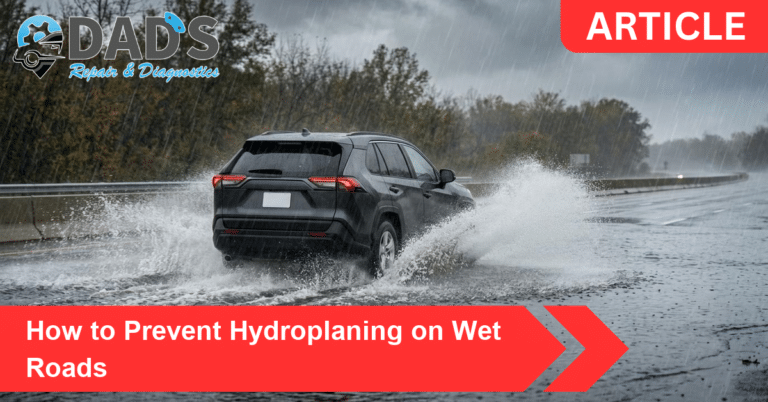
How to Prevent Hydroplaning on Wet Roads
Knowing how to prevent hydroplaning matters most in the days right after Madera’s first fall rain. Water pools on top…
Read the article →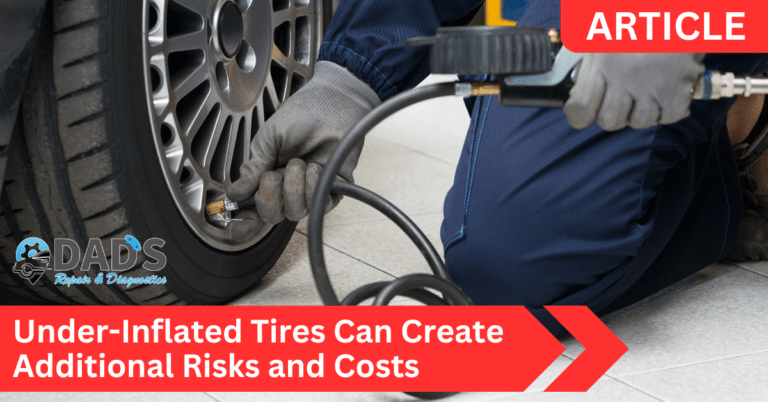 Tires
Under-Inflated Tires Can Create Additional Risks and Costs
Why Proper Tire Pressure is Critical Tire pressure is often overlooked, but it’s one of car maintenance’s simplest yet most…
Read the article →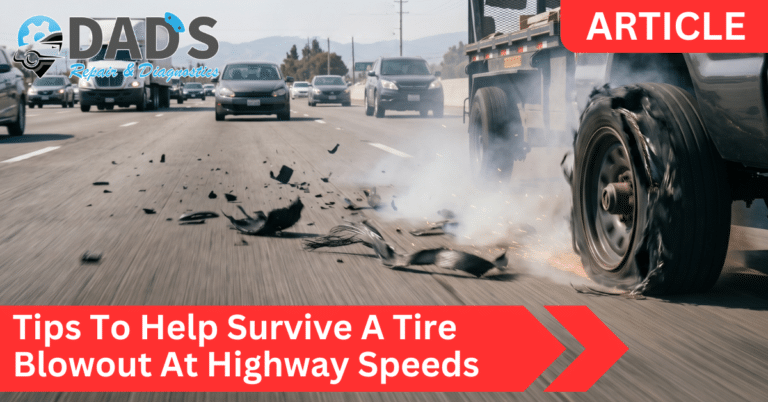 Tires
Tips To Help Survive A Tire Blowout At Highway Speeds
Freeway driving requires complete attention, especially when traveling along fast routes like Highway 99 in Madera. An unexpected explosion under…
Read the article →Questions About Your Vehicle?
Our ASE-certified team is here to help — honest diagnosis, clear estimates, and a courtesy vehicle inspection with each visit.


